Understanding Coffee Extraction
Coffee extraction refers to the process by which soluble compounds from ground coffee beans are dissolved into water during brewing. This fundamental concept is crucial in determining the flavor profile, aroma, and overall quality of the coffee produced. When brewing coffee, water acts as a solvent, extracting oils, acids, and sugars from the coffee grounds. The composition and balance of these compounds significantly influence the taste of the final beverage.
The extraction process begins as hot water permeates the coffee grounds, with the rate and efficiency of extraction largely dependent on several factors, including grind size, water temperature, and brewing time. For instance, a finer grind increases the surface area of the coffee particles, allowing for a quicker extraction. Conversely, larger particles result in slower extraction rates, often leading to under-extracted, sour flavors when brewed inadequately.
Brewing coffee at optimal temperatures—typically between 195°F and 205°F (90°C – 96°C)—is essential to achieve proper extraction. At these temperatures, the water can effectively dissolve chemical compounds without boiling, which can lead to undesirable flavors and bitterness. Additionally, varying brewing methods, such as espresso, pour-over, or French press, also affect extraction due to differences in water contact time and pressure.
Ultimately, the extraction process is pivotal in influencing the sensory characteristics of coffee. Over-extraction can result in bitter, harsh tastes, while under-extraction may lead to a lack of flavor complexity. Consequently, gaining a deeper understanding of coffee extraction is essential for all coffee enthusiasts seeking to unlock the perfect brew. By grasping the intricacies involved in this process, individuals can refine their brewing techniques to produce a more balanced and flavorful cup of coffee.
The Chemistry of Coffee Beans
Coffee beans are complex seeds that contain a variety of compounds essential for flavor, aroma, and overall character of the brew. The primary components of coffee beans include caffeine, oils, acids, and sugars, each contributing to the unique profile of the beverage.
Caffeine, the most well-known compound in coffee, serves both functional and flavor roles. This alkaloid is responsible for the stimulating effects associated with coffee consumption. In terms of flavor, caffeine influences the perception of bitterness, which can enhance or balance sweetness and acidity in the final cup.
Oils, particularly lipids, also play a significant role in flavor extraction. They are essential for creating the smooth mouthfeel characteristic of many coffee brews. During the extraction process, these oils are released from the coffee grounds and can enhance the aromatic qualities of the beverage. The presence of oils can also affect how these flavors are perceived, as a richer oil content typically leads to a fuller-bodied cup.
Acids in coffee beans, including chlorogenic acids, citric acid, and acetic acid, contribute to the perceived brightness and complexity of flavors. These acids are crucial in shaping the fruitiness or tartness in a brew. They are released during extraction, and their concentration can vary based on the brewing time and temperature. The natural acidity of coffee is a key factor in its overall taste profile.
Lastly, sugars present in the coffee beans are vital for flavor development. These carbohydrates caramelize during the roasting process, leading to a sweeter, more complex flavor. During extraction, sugars dissolve and balance acidity and bitterness, creating a rounder and more pleasant taste experience.
In summation, each of these components plays a critical role in the extraction of flavor from coffee beans, and understanding their interactions can lead to optimizing the brewing process for the perfect cup of coffee.
The Brewing Process Explained
The brewing process is critical in determining the quality and characteristics of the final cup of coffee. Various methods—such as pour-over, espresso, and French press—affect the extraction of flavors from the coffee grounds, with factors like grind size, water temperature, and brew time playing essential roles.
Pour-over brewing involves manually pouring hot water over coffee grounds, allowing for a controlled extraction. The grind size is typically medium-coarse, which promotes uniform saturation and optimal flavor extraction. Additionally, water temperature is crucial; ideally, it should be between 195°F and 205°F. The brew time typically ranges from two to four minutes, greatly influencing strength and flavor clarity. This method allows brewers to emphasize delicate notes in the coffee, often resulting in a clean, aromatic cup.
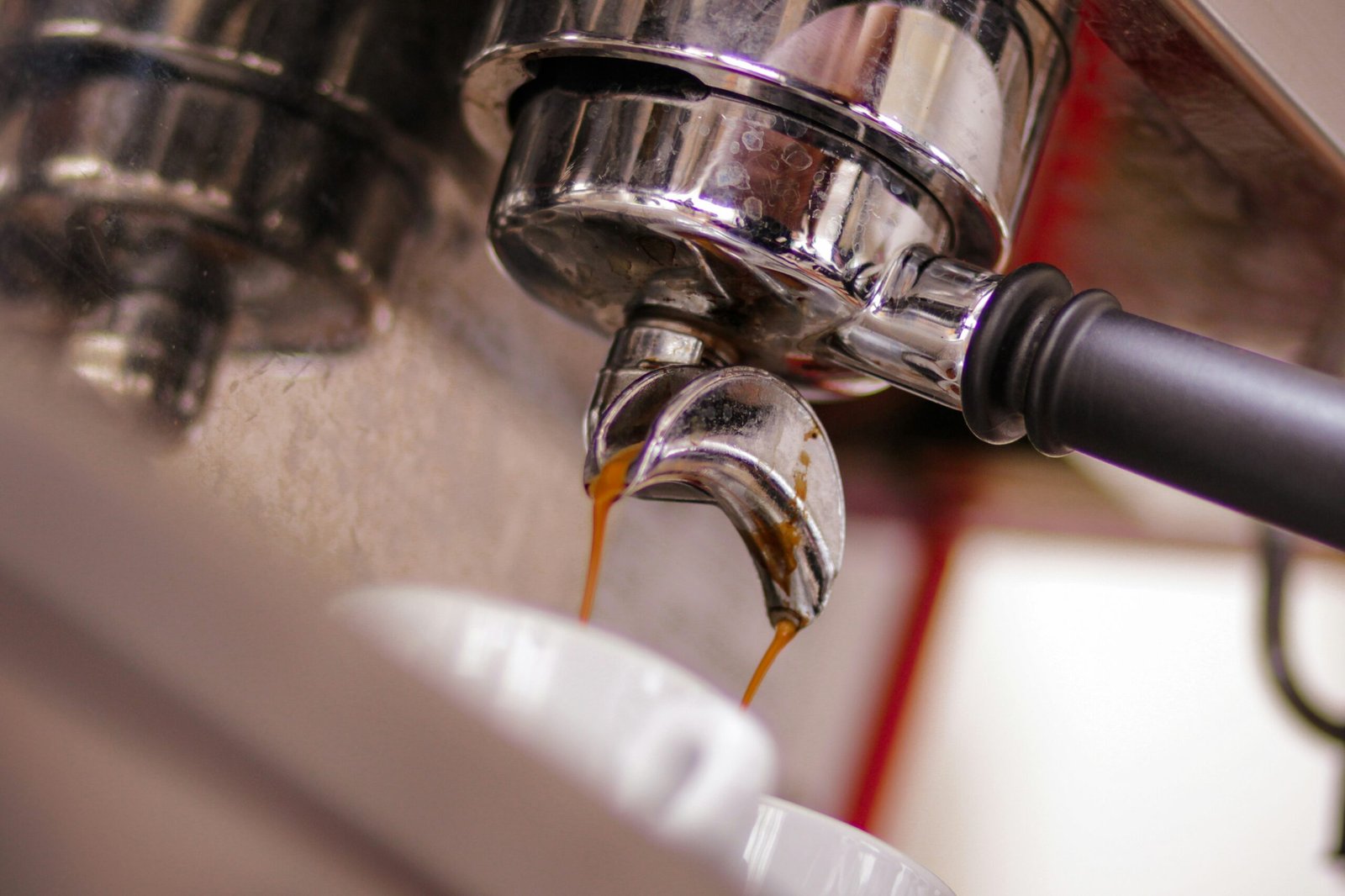
Espresso, on the other hand, utilizes high pressure to force hot water through finely-ground coffee, resulting in a concentrated beverage. The grind size for espresso is notably finer, which increases surface area and facilitates rapid extraction. Water temperatures for espresso are also refined, generally around 190°F to 200°F, to extract sugars and oils swiftly. The brew time for espresso is short, typically around 25 to 30 seconds, producing a robust flavor profile enriched with crema, a layer of foamy consistency that adds to the overall mouthfeel.
French press brewing relies on steeping coarse coffee grounds in hot water for about four minutes before manually pressing down a plunger. This method allows for a full-bodied coffee with a rich flavor, as the grounds remain in contact with the water longer than in other methods. The grind size should be coarse to prevent clogging and to ensure proper extraction. Water temperature recommendations are similar to that of pour-over, retaining the balance of extraction without over-extracting bitterness.
Factors Affecting Extraction
The process of coffee extraction is significantly influenced by multiple factors that interplay to determine the quality and flavor profile of the final brew. Understanding these factors is essential for achieving an optimal coffee experience.
One of the primary elements is grind size. The surface area of the coffee grounds directly impacts the extraction rate. Finer grinds increase surface area, allowing for a faster extraction, whereas coarser grinds slow this process down. Accordingly, the appropriate grind size must align with the chosen brewing method. For instance, espresso requires a fine grind to facilitate quick extraction, while French press coffee benefits from a coarser grind to ensure a balanced infusion.
Another critical factor is water temperature. The relationship between temperature and extraction is vital; hotter water can enhance the solubility of flavorful compounds, releasing oils and acids more efficiently from the coffee grounds. Optimal temperature ranges generally fall between 195°F to 205°F (90°C to 96°C). Using water below this range may lead to under-extraction, resulting in a sour taste, while exceeding it can trigger over-extraction, producing bitterness.
Brew time also plays a significant role. Each brewing method has its recommended steeping time for optimal extraction. For instance, pour-over methods may require a few minutes, whereas espresso extracts in just 25-30 seconds. The interaction of time with grind size and temperature is crucial, as it influences how much flavor and aroma compounds are drawn from the coffee.
Lastly, the coffee-to-water ratio is a fundamental consideration affecting extraction. This ratio determines how concentrated the coffee will be, influencing flavor strength and overall enjoyment. A typical measurement is 1:15 for brewed coffee, but this can be adjusted based on personal preference. By carefully adjusting these various factors, one can finely tune the extraction process, ultimately elevating the quality of the brewed coffee.
The Role of Water in Coffee Extraction
Water is a fundamental component in the coffee extraction process. It not only serves as a solvent to extract the flavors and aromas from coffee grounds but also significantly influences the overall quality of the brew. The chemical composition and quality of the water used in brewing coffee can greatly affect both the taste and aroma of the final cup.
The mineral content of water, including elements such as calcium, magnesium, sodium, and bicarbonates, plays a crucial role in coffee extraction. These minerals interact with the coffee solubles during brewing, affecting the extraction efficiency and contributing to the complexity of flavors. For instance, calcium is known to enhance extraction, leading to a more balanced and fuller-bodied cup, while excessive sodium can impart a salty taste, thereby detracting from the coffee’s inherent flavors.
Moreover, water pH significantly influences how coffee compounds are extracted. Ideal water for brewing coffee should typically have a neutral pH, around 7, as this allows for optimal extraction of the coffee’s rich flavors without emphasizing any undesirable notes. Water that is too soft, lacking sufficient minerals, can result in under-extraction, leading to a flat-tasting brew, whereas overly hard water, with excessive mineral content, may cause over-extraction and therefore a bitter taste.
Additionally, temperature plays an important role alongside water quality. The ideal brewing temperature is typically between 195°F and 205°F (90°C to 96°C), which ensures that the soluble compounds are extraction efficiently without scalding the coffee grounds. The interplay between water quality and temperature ultimately governs the taste and aroma of the coffee, supporting the notion that meticulous attention to water quality is essential for achieving the perfect brew.
Taste Chemistry: How Extraction Affects Flavor Profiles
The extraction process in coffee brewing is pivotal to determining the final flavor profile of the beverage. Extraction refers to the way soluble compounds, including oils, acids, and sugars, are dissolved from coffee grounds into water. A fundamental balance exists; both under-extraction and over-extraction can lead to undesirable flavor notes, adversely affecting the overall sensory experience of the drink.
Under-extracted coffee typically yields a sour taste, often characterized by an imbalance of acidity. This happens when water does not pass through the coffee grounds long enough, failing to fully extract essential oils and sugars. Consequently, the resulting brew lacks depth and complexity, leading to an unpleasant experience. Cuppers often identify under-extraction by prevalent sourness and lack of sweetness, which highlights the necessity of thorough extraction for achieving balanced coffee.
Conversely, when coffee is over-extracted, the brew can become bitter and excessively astringent. This phenomenon occurs when water is in contact with coffee grounds too long, leaching out undesirable compounds that contribute to harsh flavors. The result is a brew characterized by a heavy bitterness, overshadowing the intended flavor notes and creating a dull mouthfeel. Baristas can detect over-extraction by a pronounced bitterness that masks the subtler flavors inherent in well-brewed coffee.
Optimal extraction strikes a delicate balance between these extremes, where the coffee reveals its full range of flavors and aromas. In a perfectly extracted coffee, a harmony of sweetness, acidity, and body complements one another, allowing for a rich, vibrant cup. This balance can often be detected through the presence of pleasant notes such as caramel, chocolate, and fruit, which are indicative of essential compounds successfully extracted from the coffee grounds.
Techniques for Achieving Optimal Extraction
Optimal coffee extraction is a crucial aspect that greatly impacts the flavor profile and overall enjoyment of the beverage. Several techniques can be employed by coffee enthusiasts to refine their brewing processes, ensuring that they can achieve their desired taste consistently. The first technique involves adjusting the grind size of the coffee beans. The grind size directly affects the surface area available for water interaction during brewing. For instance, a finer grind allows for quicker extraction, suitable for methods like espresso, while a coarser grind is ideal for slower brewing methods like French press.
Another vital factor to consider is the brewing time. Each brewing method has an ideal extraction time. For example, espresso requires approximately 25-30 seconds for optimal extraction, while pour-over methods may take 3-4 minutes. Coffee enthusiasts should experiment with these times to discover the best balance that aligns with their flavor preferences.
The water temperature is another variable that significantly influences extraction. Generally, water temperatures between 195°F and 205°F are recommended for most brewing methods. However, adjusting slightly above or below this range can accentuate certain flavor notes or lessen undesirable bitterness. It is advisable to use a thermometer for precise measurements and to maintain consistent temperatures.
Lastly, water quality should not be overlooked. Using filtered or high-quality water can make a substantial difference in the final taste of the coffee. Minerals in water contribute to extraction; therefore, water that is too soft or too hard can affect flavor. It is essential to strike the right balance for the best results.
By carefully considering these variables—grind size, brewing time, water temperature, and water quality—coffee enthusiasts can experiment and ultimately achieve optimal extraction, resulting in a brew that caters to their unique taste preference.
Common Extraction Errors and How to Avoid Them
When brewing coffee, many enthusiasts unwittingly fall prey to common extraction errors that can significantly impact the flavor and quality of their final cup. Understanding these pitfalls is crucial for achieving an ideal extraction and enhancing the overall coffee experience. This guide will identify prevalent mistakes and provide practical solutions to avoid them.
One frequent error is using improper grind size. Different brewing methods necessitate specific grind sizes to achieve optimal extraction. For example, a coarse grind is best for French press, while espresso requires a fine grind. If the grind size is too fine for a French press, it can lead to over-extraction, resulting in bitterness. Conversely, a too-coarse grind for espresso may lead to under-extraction, yielding a sour taste. To avoid this issue, always adjust your grind according to your brewing method, and experiment to find the right consistency for your taste.
Another common mistake is inaccurate coffee-to-water ratios. Using too much coffee or too little water can lead to an overly concentrated and bitter brew, whereas too much water might result in a weak and watery cup. A general guideline is to use a 1:15 coffee-to-water ratio; however, personal taste preferences may require adjustments. To ensure consistency, consider using a scale when measuring your coffee and water.
Temperature is also a critical factor in extraction. Brewing coffee with water that is too cold doesn’t fully extract the flavors, while water that is too hot can scorch the beans, leading to undesirable flavors. The ideal brewing temperature generally falls between 195°F and 205°F (90°C to 96°C). To achieve this, use a thermometer or let boiled water sit for about 30 seconds before pouring over the coffee grounds.
By being mindful of these common extraction errors and implementing the suggested solutions, coffee lovers can significantly enhance their brewing skills and enjoy a cup of coffee that is well-balanced and flavorful.
Conclusion: The Art and Science of Coffee Extraction
Throughout this exploration of coffee extraction, we have examined the intricate balance between science and artistry that defines the brewing process. Understanding the various parameters affecting coffee extraction—such as grind size, water temperature, and brewing time—is crucial for achieving the ideal flavor profile. Each factor must be meticulously considered, as they all contribute significantly to the final cup of coffee.
The science of coffee extraction facilitates our comprehension of how soluble compounds are released during brewing. Through precise measurements and systematic experimentation, one can manipulate these variables to enhance the extraction efficiency, ultimately enriching the sensory experience. The chemical reactions occurring during extraction unveil the fascinating complexities behind every sip, emphasizing the importance of technique.
However, it is essential to recognize that coffee brewing transcends mere scientific precision. The subjective nature of taste plays a vital role, where individual preferences and cultural influences shape our perception of the perfect cup. This intersection of science and artistry invites coffee enthusiasts to experiment with different extraction methods, be it using the pour-over technique, French press, or espresso, and to embrace the creative potential that lies within each approach.
By encouraging readers to experiment with various brewing techniques and mindful adjustments, we foster a greater appreciation for the nuances present in every cup. The journey to unlock your perfect brew is as much about exploration and personal discovery as it is about scientific principles. Therefore, we invite you to dive into the world of coffee extraction and develop your unique brewing artistry.