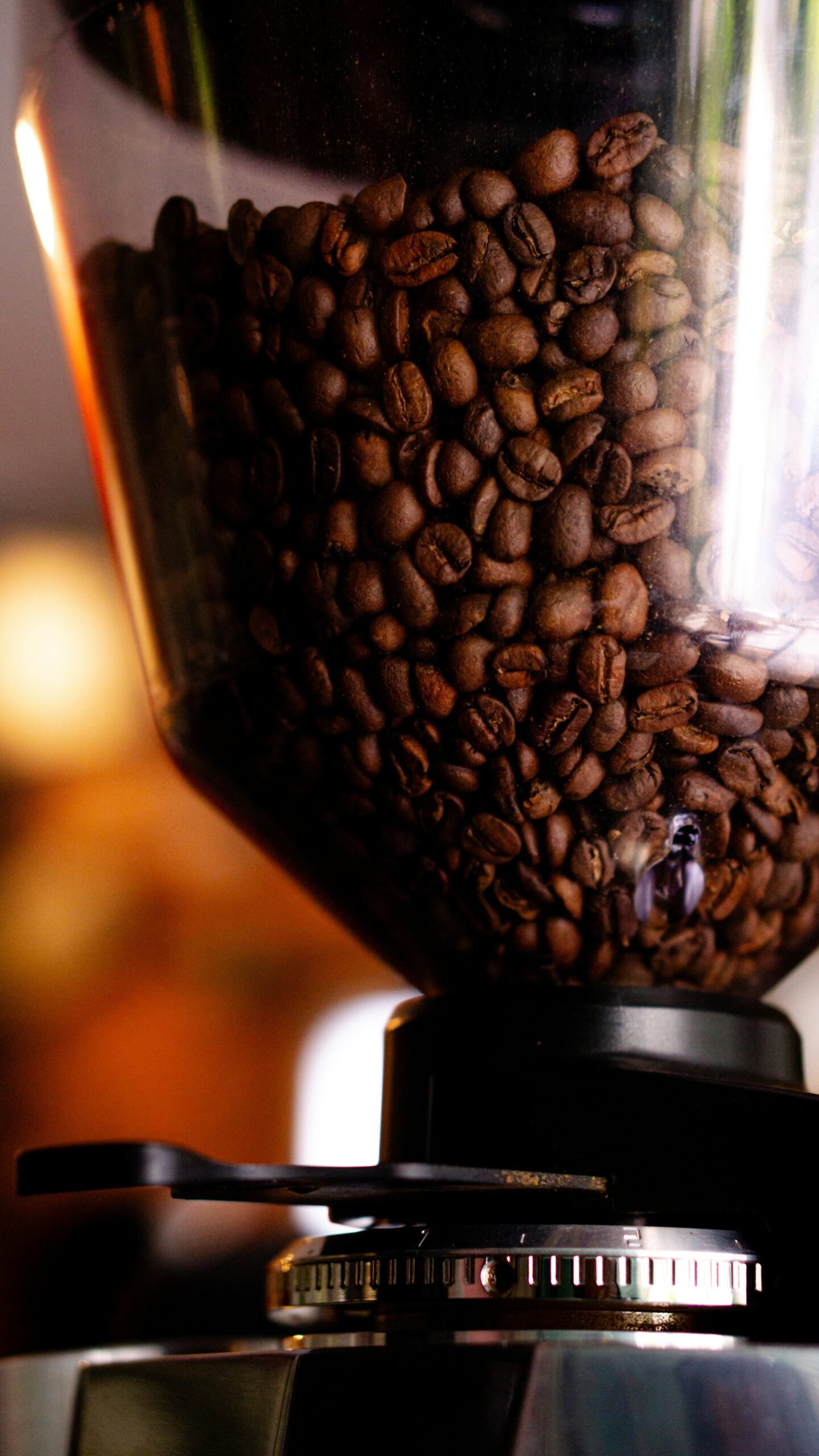
Understanding Grind Size
Grind size is a crucial factor in the preparation of coffee and other ground ingredients, significantly impacting flavor, aroma, and extraction efficiency. The term ‘grind size’ refers to the physical dimensions of the coffee grounds, which can vary from coarse to fine. Understanding the appropriate grind size for your brewing method is essential to achieving the desired taste and overall beverage quality.
Grind size is commonly categorized into three main types: coarse, medium, and fine. Coarse grind typically resembles sea salt and is used for brewing methods such as French press or cold brew, where longer extraction times are employed. A medium grind, which resembles regular granulated sugar, is suitable for drip coffee makers and the AeroPress. Finally, fine grind is similar to powdered sugar, often used for espresso machines and Turkish coffee, where rapid extraction is necessary due to shorter brewing times.
Different brewing methods require specific grind sizes for optimal extraction. For instance, using a fine grind in a method intended for coarse grounds can result in over-extraction, leading to bitter flavors, while a coarse grind in a method that calls for fine grounds can result in under-extraction, yielding a weak and insipid beverage. This highlights the importance of grind size in balancing flavor, ensuring that each cup of coffee or other ground ingredient reaches its fullest potential.
Furthermore, the grind size also affects other aspects of brewing, such as water flow and temperature control, thereby impacting the final taste profile. Therefore, understanding and selecting the appropriate grind size is not merely a matter of preference but a fundamental component of achieving an exemplary brew.
The Impact of Grind Size on Flavor
The grind size of coffee beans plays a crucial role in determining the flavor profile of the final brew, significantly influencing the taste experience. The relationship between grind size and extraction rates is essential to understand; smaller particles tend to extract flavors more rapidly due to their increased surface area. This rapid extraction can lead to over-extraction, resulting in a brew that may taste bitter or overly strong. Therefore, meticulous attention is required when selecting the grind size to ensure a balanced flavor.
On the other hand, larger particles, while allowing for a slower extraction process, risk under-extraction. This occurs when the brewing method does not allow sufficient time for the flavors to develop, leading to a cup that lacks depth and complexity. For instance, in drip coffee machines, a medium grind is often recommended to facilitate appropriate extraction. Conversely, for methods like French press, a coarser grind is ideal, as this brewing style requires a longer steep time. Using finer grinds in a French press can lead to a muddied flavor and an unappealing texture.
Espresso, on the other hand, requires a fine grind to achieve the necessary pressure for extraction within a short brew time. Achieving the right grind size is essential for espresso to produce the rich and aromatic flavors characteristic of this brewing method. Further, different brewing techniques, such as pour-over or AeroPress, will require distinct grind sizes to extract the optimal balance of flavors effectively.
In summary, understanding the impact of grind size on the flavor of your brew is paramount for coffee enthusiasts. Each brewing method has its ideal grind size that facilitates the optimal extraction of flavors, ensuring that coffee lovers can enjoy a balanced and satisfying cup with every brew.
Adjusting Grind Size for Different Brewing Methods
When it comes to brewing coffee, the grind size is a critical factor that significantly influences the final taste profile. Different brewing methods require specific grind sizes to extract optimal flavors from the coffee beans. Understanding this relationship helps in achieving a consistent and enjoyable cup of coffee.
The French press method, known for its rich and full-bodied flavor, typically requires a coarse grind size. This coarser texture allows for a slower extraction process, which is essential for maximizing the distinct flavors of the beans without resulting in bitterness. To prepare a French press, aim for a grind that resembles sea salt, promoting sufficient extraction while avoiding excessive sediment in the final cup.
In contrast, espresso requires a finely ground coffee size. The high pressure used during espresso extraction demands this finer texture to ensure the water flows through the coffee evenly, allowing for a quick yet intense extraction. Aiming for a grind size that feels similar to table salt will provide the necessary consistency, leading to a rich and velvety shot of espresso.
Pour-over and drip coffee methods fall somewhere in between. For pour-over, a medium grind, akin to granulated sugar, allows for a controlled extraction, balancing flavor and clarity in the final cup. Drip coffee, often utilizing a slightly coarser grind than that of pour-over, typically resembles a medium-fine grind, facilitating consistent extraction while avoiding over-extraction and bitterness.
To achieve the best results, it is vital to monitor the evenness and consistency of the grind size. Investing in a high-quality burr grinder can significantly enhance your ability to adjust grind sizes accurately. Additionally, personal taste preferences should always guide adjustments; tasting through various grind sizes can help in finding the perfect fit for your brewing method and palate.
Common Misconceptions and Tips
Grind size is often surrounded by several misconceptions, one of the most prevalent being the notion that a finer grind is universally superior for all brewing methods. While finer grinds tend to enhance extraction, they can lead to bitter flavors in certain brewing processes. For instance, espresso requires a fine grind for optimal extraction, whereas methods like French press work best with coarser grinds. The idea that ‘finer is always better’ can mislead beginners into uniformity rather than embracing the diversity of brewing techniques.
For those new to the world of coffee brewing, understanding grind size is essential. Experimentation is key; starting with common recommendations for specific brewing methods and gradually adjusting the grind can help uncover individualized preferences. Beginners should utilize grinder settings that correspond to their brewing method. Utilizing a good burr grinder is a vital step, as it allows for precise control over grind size, unlike blade grinders that may produce uneven particles.
Additionally, it is important to comprehend that grind size directly influences brewing time. A finer grind increases the coffee’s surface area, which can lead to quicker extraction. Conversely, a coarser grind will require more brewing time to achieve a balanced flavor profile. Monitoring the relationship between grind size and brewing duration is crucial for beginners aiming to avoid overly bitter or underwhelming flavors.
Beyond experimentation and proper equipment, finding a balance in flavor often necessitates adjusting the grind size based on the coffee beans’ characteristics. Different beans, roast levels, and personal taste preferences will all play a pivotal role in determining the ideal grind size. Thus, acquiring the skill to adjust grind size according to various variables can significantly elevate the overall brewing experience.